Last Updated: November 14, 2026
Quick Summary
The safest underwater activities for kids are shallow-water play, supported floating in a life jacket, and guided helmet diving, all of which require no swim skill and keep a child within arm’s reach. Rank underwater activities by the child’s actual swim ability first, then age, and treat every preschooler as a non-swimmer.
- Rank each activity by swim skill required, supervision demanded, and how quickly a child can exit the water.
- Keep non-swimmers in water below the chest with an adult within arm’s reach at all times.
- Assign one designated water watcher and rotate the role every 15 to 20 minutes.
- Use a U.S. Coast Guard-approved life jacket fitted to the child’s weight for open water and watercraft.
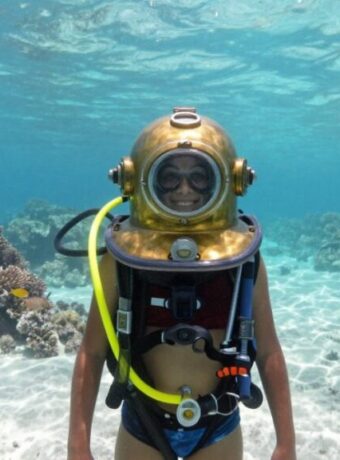
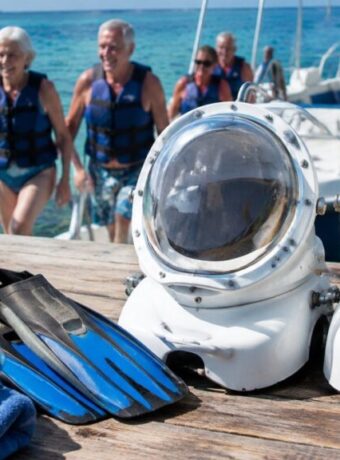
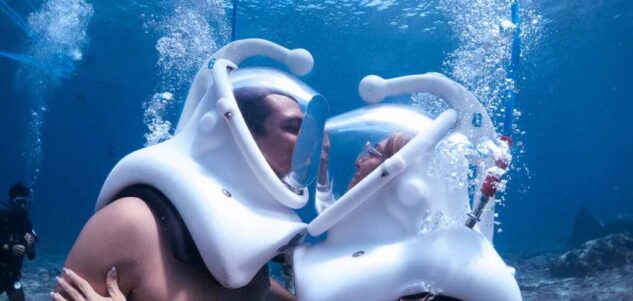
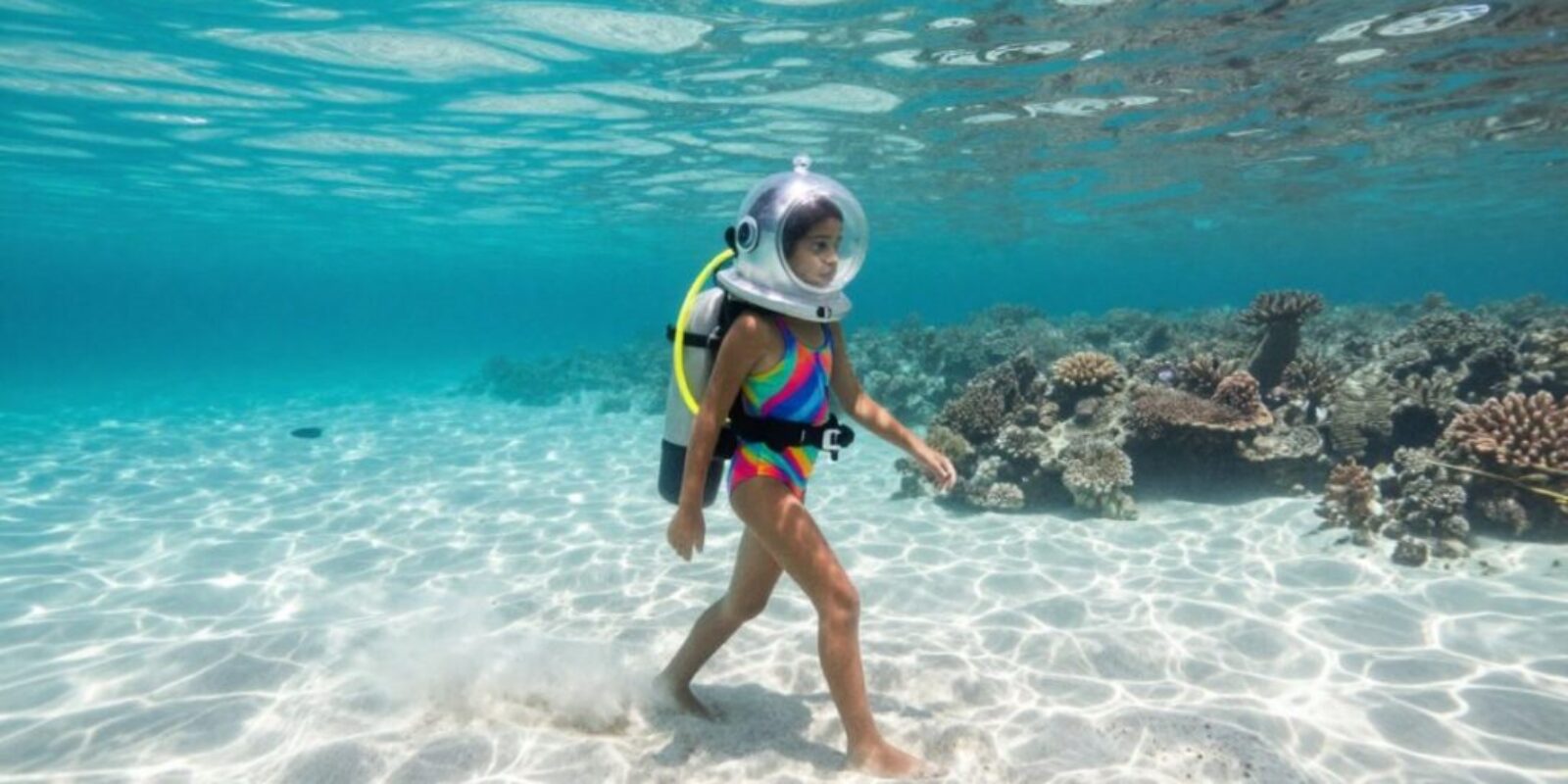
- Guided helmet diving starts at ages 8 and up and requires no swimming or scuba certification.
Can non-swimmers really do this?Guided helmet dives let ages 8 to 80+ walk the ocean floor and breathe naturally, no swimming needed.
Table of Contents
- Safest Underwater Activities for Kids, Ranked by Age and Ability
- Water Safety Activities for Kids That Build Skills Before the Water
- Safe Water Activities for Kids Who Can’t Swim
- Underwater Activities for Kids at Home: Shallow-Water and Backyard Options
- Ocean Activities for Preschoolers: What Works at Ages 3 to 5
- Activity-Specific Risk Ratings and Safety Checklists
- Supervision Rules: Water Watchers, Arm’s Reach, and Signs of Distress
- Book a Guided Helmet Dive for Your Family
- Frequently Asked Questions
Safest Underwater Activities for Kids, Ranked by Age and Ability
The safest underwater activities for kids match a child’s actual swim ability, not their enthusiasm. The activity that works is the one the child is ready for. This guide ranks underwater activities for kids from lowest to highest risk.
The danger in underwater activities rarely comes from the water itself. It comes from a mismatch between the activity and the child’s comfort level.
How the Ranking Works
Each activity is scored on three factors: swimming skill required, adult supervision demanded, and how quickly a child can exit the water. Activities requiring zero swim skill that keep a child within arm’s reach rank safest.
Swim ability is the first filter. The American Red Cross water safety guidance recommends building water competency before any activity that puts a child’s face near or under the surface.
Age is the second filter. Coordination and body awareness develop unevenly, so a 5-year-old and an 11-year-old of equal swim skill may still need different activities. Use the lower of the two filters when in doubt.
Water Safety Activities for Kids That Build Skills Before the Water
Skill-building activities come first because they lower the risk of everything that follows. These are the water safety activities for kids that teach floating, breath control, and body awareness in shallow water with an adult present.
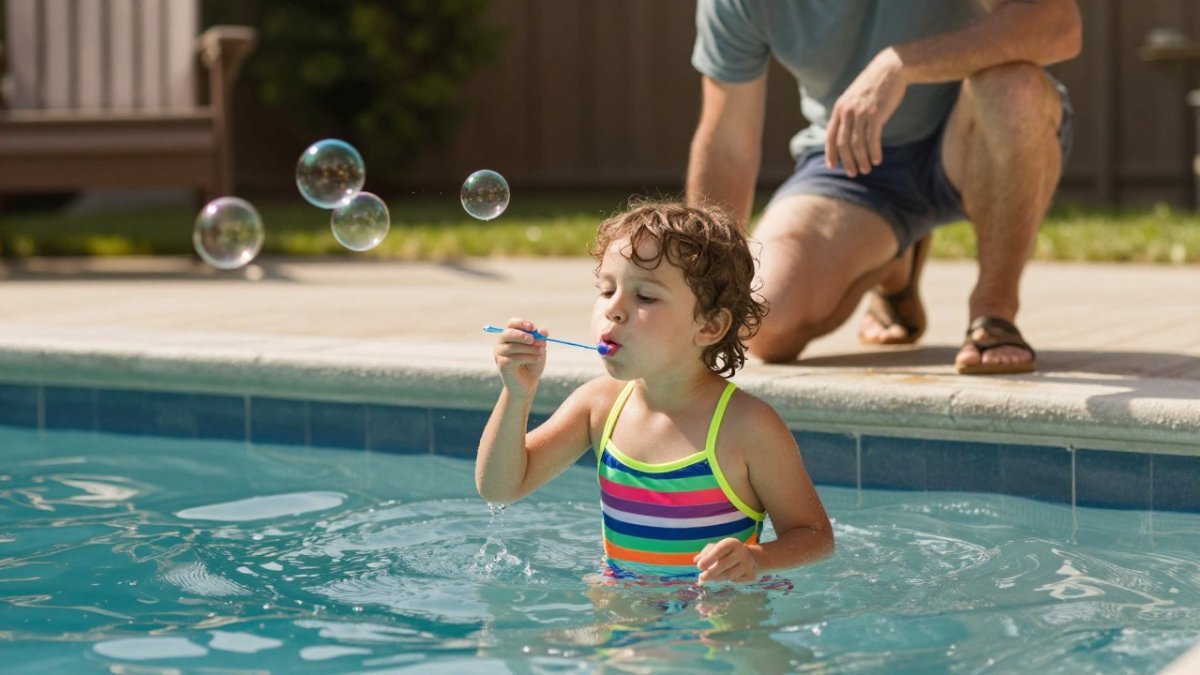
- Bobbing and breath control: Practice blowing bubbles and submerging the face in shallow water.
- Floating practice: Front and back floats with a hand under the back for support.
- Reach and pull: Learning to reach the wall or an adult’s arm and pull to safety.
Formal lessons accelerate all of this. The YMCA water safety and swim lesson programs build these skills in a structured setting, and children who complete basic lessons tend to enter open water with far more confidence.
Safe Water Activities for Kids Who Can’t Swim
Safe water activities for kids who can’t swim exist, and they are more numerous than most parents expect. Keep the child supported, keep them where they can stand or be held, and never let a non-swimmer go where an adult cannot reach them instantly.
- Shallow-water wading in water below the chest, with an adult within arm’s reach.
- Supported floating with a life jacket or personal flotation device in calm water.
- Splash pads and zero-entry pools, which let non-swimmers play without depth.
That last option is where we come in. Our non swimmers helmet diving guide explains how a child who has never swum can still explore a reef safely, and it is worth reading before you book anything for a nervous beginner.
Underwater Activities for Kids at Home: Shallow-Water and Backyard Options
Underwater activities for kids at home are the safest tier on this list, because you control the depth, the supervision, and the exit. A backyard pool, a kiddie pool, or even a bathtub can teach real underwater skills. These small, controlled settings also make it easier to build confidence with appropriate swimwear and safety gear, including Bright & Bold Swimwear.
- Bathtub bubble practice for toddlers learning to put their face in water.
- Kiddie-pool treasure hunts with sinking toys in a few inches of water.
- Backyard pool breath-hold games with an adult counting and watching every attempt.
- Sprinkler and shallow-water play to build comfort without any depth at all.
Ocean Activities for Preschoolers: What Works at Ages 3 to 5
Ocean activities for preschoolers work best when the child never leaves arm’s reach and the water stays calm and shallow.
Use this age-and-ability filter before you pick anything:
- Can the child stand in the water at the chosen spot? If not, the activity belongs in the supported tier, not the wading tier.
- Can the child float and recover on their own? Most 3- to 5-year-olds cannot, so treat every preschooler as a non-swimmer regardless of pool confidence.
- Is the water calm enough that a wave will not knock the child off balance? Check surf reports and pick a sheltered cove or bay rather than an open surf beach.
With that filter in place, these are the preschool-appropriate ocean activities, ranked from lowest to highest risk:
- Shoreline wading in ankle-to-knee water. The child stays on wet sand where an adult can grab them without stepping. Best on a falling tide with small waves. Watch out: even ankle-deep surf can knock a preschooler down when a larger set rolls in, so position yourself on the seaward side of the child.
- Hand-held waist-deep walking. An adult holds the child’s hand or forearm the entire time, never just a finger. This builds comfort with buoyancy and moving water without any depth risk.
- Supported floating in a properly fitted life jacket. A U.S. Coast Guard-approved life jacket sized to the child’s weight, not an arm float or a ring. Float in calm, shallow water near shore with the adult’s hand on the jacket.
- Surface viewing with a mask or clear-bottom bucket. The child stays at the surface and looks down; no submersion required. This is the safest way to introduce marine life because the child’s face never needs to go under.
- Guided shallow-water helmet dive (ages 8 and up only). Preschoolers are not ready for this tier, but it is worth knowing the cutoff so you can plan ahead. Our breakdown of whether helmet diving is good for families covers which ages fit and which should wait.
Preschoolers are generally not ready for activities that put them fully underwater without direct support.
Adaptations for nervous children and children with disabilities. A preschooler who clings or cries at the water’s edge does not need to be pushed in.
Activity-Specific Risk Ratings and Safety Checklists
Risk ratings make the trade-offs visible. The table below ranks the main underwater and water-adjacent activities by swim skill required and supervision level, so you can compare at a glance.
| Activity | Swim Skill Needed | Supervision Level | Risk Rating |
|---|---|---|---|
| Backyard shallow-water play | None | Arm’s reach | Low |
| Supported floating in a life jacket | None | Arm’s reach | Low |
| Guided helmet diving | None | Guided, one adult per child | Low to moderate |
| Snorkeling from the surface | Basic | Close watch | Moderate |
| Tandem kayaking or canoeing | None to basic | Life jacket, close watch | Moderate |
| Paddleboarding | Basic | Life jacket, close watch | Moderate to high |
| Free diving or breath-hold play | Strong | Constant, one-on-one | High |
Before any activity, run this checklist:
- Child’s swim ability confirmed, not assumed
- Life jacket fitted and buckled for watercraft and open water
- One adult assigned to watch each child
- Exit route from the water identified
If you are comparing two popular options directly, our helmet diving vs snorkeling for families comparison lays out the safety differences side by side.
Supervision Rules: Water Watchers, Arm’s Reach, and Signs of Distress
Supervision is the single factor that most changes a child’s risk, and it fails more often than any other.
Make the role concrete before anyone gets wet:
- One watcher per group, not per family. If four families share a pool, assign one adult as the watcher and let the others relax. A crowd of adults who are “all watching” is the most common supervision failure.
- The watcher holds nothing. No phone, no drink, no toddler on the hip. If the watcher needs to leave, they hand off out loud to a named adult before stepping away.
- The watcher scans in a pattern. Sweep the water left to right and back, counting heads each pass, rather than staring at one child.
Arm’s reach means exactly that: an adult close enough to grab a child without taking a step.
Watch for these distress signs, in rough order of how early they appear:
- A head tipped back with the mouth at water level, as if the child is trying to keep their face clear.
- Silent bobbing up and down without forward progress, or vertical posture in the water instead of horizontal swimming.
- Eyes that look blank or unfocused rather than panicked, and no calling out.
- Climbing an invisible ladder, arms pressing down at the sides rather than reaching for help.
If you see any of these, reach the child immediately rather than waiting for a response.
Life jackets and flotation devices. For any open water, watercraft, or activity where the child is not within arm’s reach, use a U.S.
If you have specific questions about supervision or breathing concerns before booking, our frequently asked questions page answers the ones parents ask us most.
Book a Guided Helmet Dive for Your Family
The safest underwater activity is the one built around your family’s actual ability, and that is exactly how we run our dives.
You do not need to be a swimmer to give your kids a real underwater memory. You need a guided experience that keeps everyone within reach and lets each person go at their own pace.
Ready to plan a family underwater adventure that works for swimmers and non-swimmers alike? Walk on the ocean floor in Cozumel with a guided SEA TREK dive built for ages 8 to 80+, with all gear included and a guide beside you the whole way.
Frequently Asked Questions
What underwater activities are suitable for kids who cannot swim?
Helmet diving is the standout option because participants walk on the ocean floor and breathe naturally without swimming, floating, or holding their breath. At SEA TREK Cozumel, kids age 8 and up can join, and no scuba certification is needed. Other choices include shallow-water wading with a life jacket, holding an adult’s hand in waist-deep water, and floating on the surface with a personal flotation device while looking through a mask. Skip anything that requires treading water or full submersion without gear.
Can children do underwater activities without scuba certification?
Yes. Snorkeling, helmet diving, and shallow-water play with a mask do not require certification. Scuba certification typically starts at age 10 through agencies like PADI, and even then, introductory programs keep kids in very shallow water with an instructor. Helmet diving is a good fit for families who want an underwater experience without lessons or a test. Confirm age minimums and any health questionnaire before booking, since some operators require a signed medical form for children.
How can parents prevent drowning accidents for kids during water play?
Assign a designated water watcher who does nothing but watch the water, with no phone and no conversation. Keep young children and non-swimmers within arm’s reach at all times. Put a properly fitted life jacket on kids around open water, lakes, and boats. Enroll children in swim lessons to build water competency, and learn CPR. Drowning is often silent, so scan for a still face, glassy eyes, or a child who has gone quiet rather than expecting splashing and shouting.
What are some fun water safety activities for kids that teach rules without lectures?
Turn the rules into games. Try a pretend rescue where kids practice reaching with a pool noodle instead of jumping in, a life jacket relay race, or a water watcher tag game where one child plays the spotter and calls out what they see. For younger kids, print activity sheets with matching games about pool rules and a short quiz on what to do if a friend is in trouble. Ten minutes of play sticks better than a safety talk.
What are safe ocean activities for preschoolers?
Keep preschoolers in the shallows with an adult within arm’s reach and a life jacket on. Good choices include wet-sand play at the water’s edge, splashing in ankle-deep surf, collecting shells with a bucket, and looking at fish from a dock or glass-bottom boat. Check the surf report and avoid days with strong currents or red flag warnings. A guided helmet dive is not the right fit at this age, since the minimum is 8, so save that for older siblings and plan a beach club visit for the little ones.