Last Updated: November 2, 2026
Quick Summary
Yes, non-swimmers can enjoy Cozumel shore excursions without swimming skills. Helmet diving lets you walk on the ocean floor while breathing naturally, and boat-based reef tours and land or beach activities are also options.
- Helmet diving requires no swimming ability or scuba certification, and you breathe naturally through the helmet.
- SEA TREK Cozumel describes its helmet diving as designed for ages 8 to 80+.
- Non-swimmers who cannot swim at all should skip snorkeling and choose helmet diving or a boat-based reef tour.
- Return at least 60 to 90 minutes before all-aboard time, and choose 90 minutes for boat tours.
- Ask whether flotation, equipment, entrance fees and gratuities are included before comparing prices.
Table of Contents
- Why Non-Swimmers Have More Options Than They Think
- Can You Snorkel If You Can’t Swim?
- Cozumel Helmet Diving: Walking on the Ocean Floor
- Glass-Bottom Boats, Reef Tours and Beach Clubs
- Cozumel Activities Without Swimming: Land and Beach Options
- Planning Around Your Cozumel Cruise Port Schedule
- Booking Your Non-Swimmer Cozumel Excursion Next Steps
- Frequently Asked Questions
Why Non-Swimmers Have More Options Than They Think
If you can’t swim, a Cozumel cruise stop can still include the water. Helmet diving lets you walk on the ocean floor without swimming skills or scuba certification. Many non-swimmers assume the sea is off limits, but a range of cruise shore excursions for cruise passengers are built for people who stay on their feet.
Shore excursions for non-swimmers generally fall into three groups: helmet diving, boat-based reef viewing, and land or beach activities. Each one asks something different of you, so it helps to know what you’re comfortable with before you book.
Can You Snorkel If You Can’t Swim?
The answer depends on your swimming ability and comfort in the water. The key is separating two very different travelers, someone who cannot swim at all and a beginner snorkeler who is comfortable in water but lacks confidence or stamina. Most tour operators and guides treat these as different risk profiles, and so should you.
If you cannot swim at all, snorkeling is usually not the right first step. A life jacket keeps you afloat, but snorkeling still requires you to float face-down, breathe through a tube, and stay calm if water enters the mask or snorkel. Panic is the real risk, not sinking. For this group, helmet diving or a boat-based reef tour is the safer, more enjoyable choice.
If you are a beginner snorkeler, you can tread water briefly, you’re comfortable putting your face in the water, but you tire quickly, then shallow-water snorkeling with flotation and a guide is realistic. Look for tours that explicitly welcome non-swimmers and provide a life jacket or flotation belt.
Before you book any snorkel tour, ask these five questions:
- Do you provide flotation? A properly fitted life jacket or flotation belt is essential. Ask whether it is included.
- How deep is the water at the snorkel stop? Shallow reef areas (often 5-15 feet) let you stand or touch bottom if needed. Deep-water stops are not suitable for non-swimmers.
- How many guides per group? Ask about the guide-to-guest ratio, since larger groups mean less individual attention.
- Is there a guide in the water or only on the boat? You want a guide in the water who can assist you directly.
- What are the age and health restrictions? Ask operators about any minimum age or health restrictions before you book.
A useful rule of thumb: if a tour’s description does not mention non-swimmers or flotation, assume it is designed for confident swimmers and call ahead before booking. Reputable operators will tell you plainly whether their tour suits your comfort level, and a good one will steer you toward a better option if it doesn’t.
Watch Out
A flotation device keeps your head above water, but it does not teach you to breathe through a snorkel or manage a mask leak. If you have never snorkeled and cannot swim, practice in a pool first or choose a helmet-diving or glass-bottom experience instead.
A flotation device keeps your head above water, but it does not teach you to breathe through a snorkel or manage a mask leak. If you have never snorkeled and cannot swim, practice in a pool first or choose a helmet-diving or glass-bottom experience instead.
Cozumel Helmet Diving: Walking on the Ocean Floor
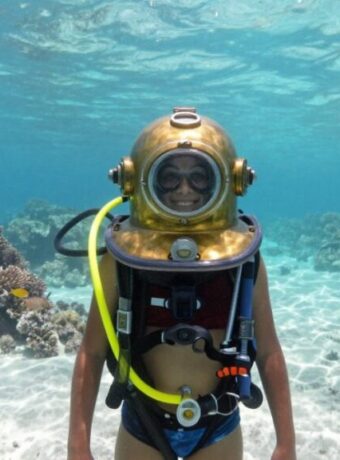
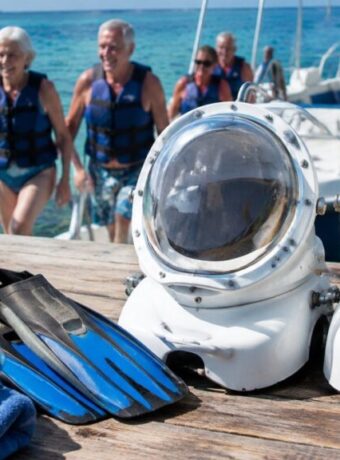
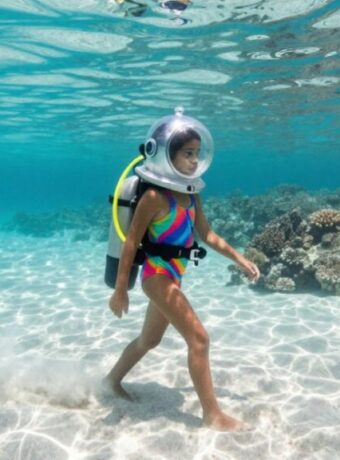
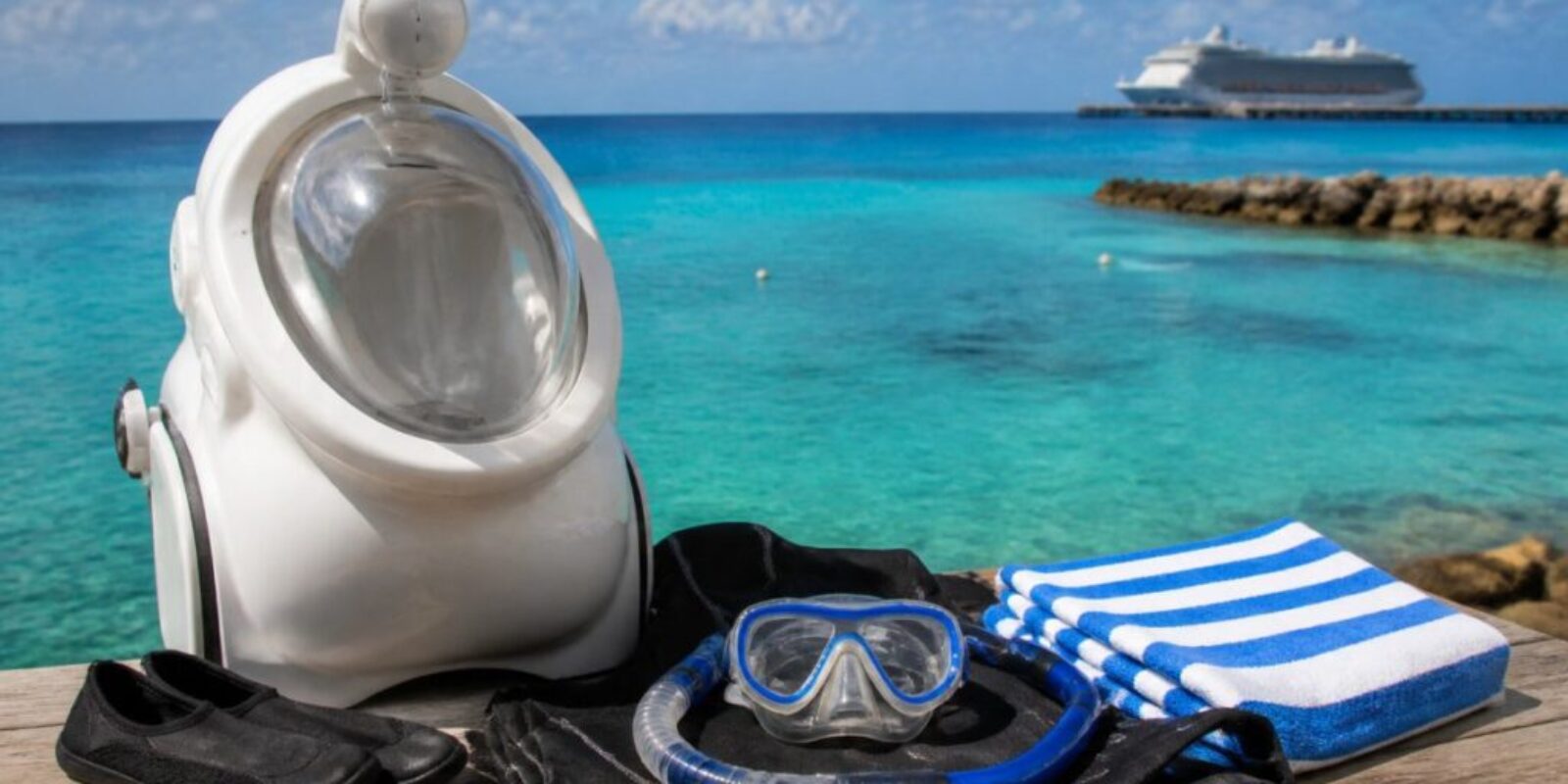
Cozumel helmet diving is the most accessible underwater option on the island for non-swimmers. You wear a helmet that supplies air, so you breathe naturally while you walk along the sandy bottom among coral reefs and marine life. No scuba certification is required, and no swimming ability is needed.
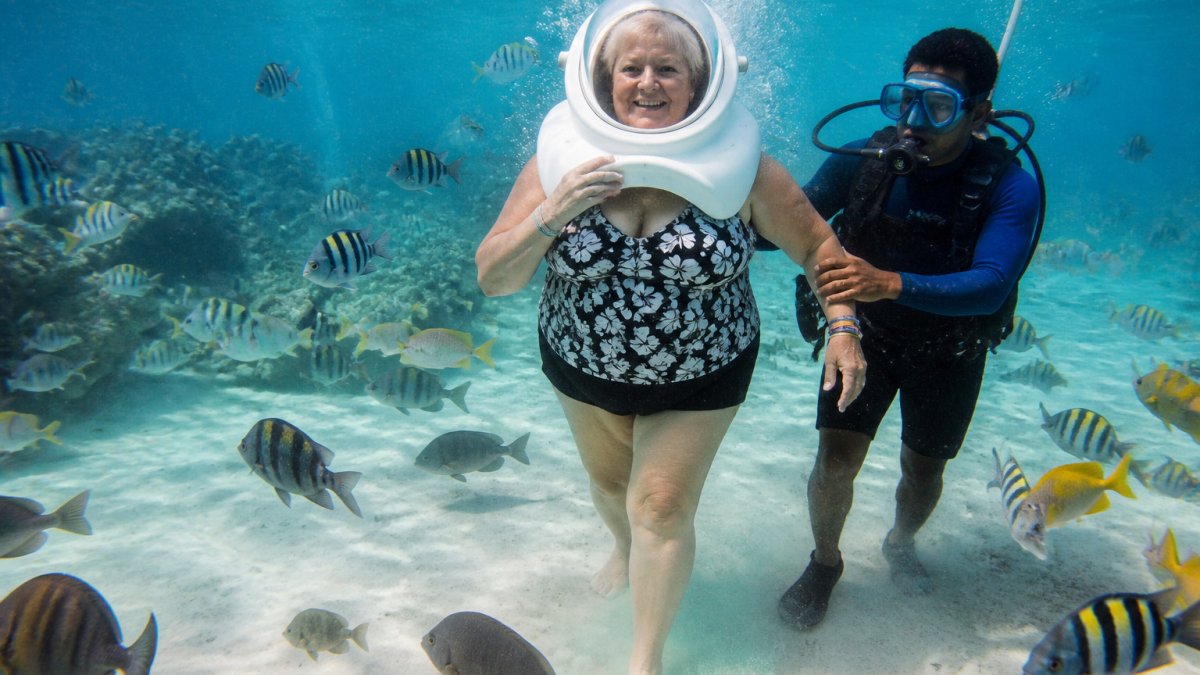
SEA TREK Cozumel describes its helmet diving as designed for ages 8 to 80+, which makes it a practical choice for multi-generational groups. Ask the team about current physical requirements before you book, especially if you have back or joint issues.
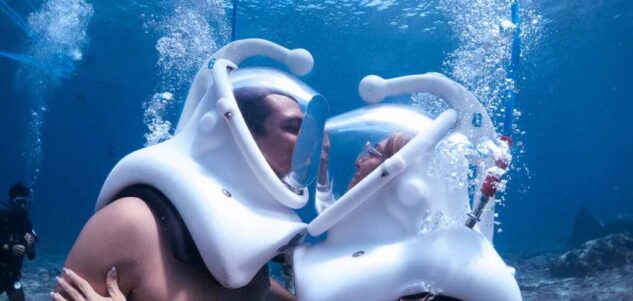
Couples who want a memorable shared underwater experience may also find helmet diving a good fit.
Glass-Bottom Boats, Reef Tours and Beach Clubs
If you’d rather stay dry, boat-based options let you see the reef without entering the water. Glass-bottom boats and submarine-style tours are other ways to view marine life from above or from inside a vessel.
Beach clubs give you a relaxed alternative for a slow afternoon, though they offer less underwater activity than helmet diving or a reef tour.
Cozumel Activities Without Swimming: Land and Beach Options
Not every shore excursion needs to involve the water. Land-based choices include walking paths, botanical gardens, and island sightseeing, all of which suit guests who prefer to keep their feet on solid ground. You can also spend time at the beach, watching the water, beachcombing, or relaxing under a shade structure.
These options work well as a backup if weather or sea conditions change. Calm-water and shallow-water plans can shift quickly, so a land-based alternative is worth keeping in mind. Self-guided exploration is another low-effort choice if you want flexibility and minimal planning.
Planning Around Your Cozumel Cruise Port Schedule
Your ship’s departure time is the hard limit for the entire day, and the margin you build around it matters more than the tour itself. A missed ship is the one mistake no excursion is worth.
Know your pier first. Cruise ships dock at one of several piers, and transfer times to excursion departure points vary. Some tours leave from marinas a short taxi ride from the pier; others require a longer drive to beach clubs or dive sites on the island’s far side. Before booking, confirm the meeting point and ask the operator how long the transfer takes from your specific pier. Build that transfer time into both directions of your day.
Set a return buffer. A common practice among frequent cruisers is to be back at the pier at least 60-90 minutes before all-aboard time, and 90 minutes is the safer choice for tours that involve a boat ride, since sea conditions can delay return. If a tour’s total duration, including transfers, check-in, and the activity itself, leaves less than that buffer, it is too tight for a port day.
Compare durations realistically. Snorkel and boat tours can run several hours door-to-door, which can consume most of a short port call. Ask SEA TREK Cozumel how long its helmet diving session runs, including briefing and transfer, to see whether it fits a tighter schedule. Beach club day passes are the most flexible: you control when you leave, so you can return early if needed.
Understand what the price includes. Pricing for non-swimmer-friendly excursions varies, and the headline price may not tell the whole story. Ask specifically about:
- Transportation to and from the pier
- Equipment (life jackets, snorkel gear, helmets) and whether rental is extra
- Marine park or entrance fees, which are sometimes collected separately
- Food and drinks, which may be included, limited, or cash-only on site
- Gratuities, which are customary for guides and boat crews
A tour that looks cheaper upfront can cost more once fees and rentals are added, so compare total cost rather than headline price.
Book with your ship’s schedule in mind. Ship-sponsored excursions carry a return guarantee, if the tour runs late, the ship waits. Independent tours are usually cheaper and less crowded but put the timing risk on you. If you book independently, choose operators who ask for your ship’s departure time at booking and build their schedule around it; that is a sign they understand cruise-day logistics.
Pro Tip
Screenshot your ship’s all-aboard time and the tour operator’s local phone number before you leave the pier. Cell service on the island is generally reliable, but having the details saved offline saves time if plans change.
Screenshot your ship’s all-aboard time and the tour operator’s local phone number before you leave the pier. Cell service on the island is generally reliable, but having the details saved offline saves time if plans change.
The table below sums up the timing rules a non-swimmer should check before booking a Cozumel excursion.
| Planning item | Recommended value | Note |
|---|---|---|
| Return buffer before all-aboard | 60-90 minutes | 90 minutes is safer for boat tours |
| Return buffer for boat tours | 90 minutes | Sea conditions can delay return |
| Ship-sponsored excursions | Return guaranteed | Ship waits if tour runs late |
| Independent tours | Timing risk on you | Usually cheaper, less crowded |
| Beach club day pass | Flexible | You control when you leave |
| Screenshot before leaving pier | Ship all-aboard time and operator phone | Save offline in case plans change |
Booking Your Non-Swimmer Cozumel Excursion Next Steps
Start by deciding how much water time you want. If you want to walk on the bottom with natural breathing, helmet diving is the most direct route. If you prefer to stay dry, a boat-based reef tour or beach day fits better. Once you know your comfort level, compare the options and check the inclusions.
For current prices and availability, contact SEA TREK Cozumel directly through its website. Pricing depends on group size, dates, and the experience you choose, so a quote from the source is more reliable than any figure in a guide. Ask about the ages accepted, the physical effort involved, and how long the full session runs relative to your ship’s departure.
Frequently Asked Questions
Can a non-swimmer do helmet diving in Cozumel?
Yes. Helmet diving does not require swimming skills or scuba certification. You breathe through a helmet system while walking on the ocean floor with a guide.
Is snorkeling safe for someone who can’t swim?
It can be, with flotation support and a guide who stays close. Shallow, calm water is the safest setting for beginners who are not strong swimmers.
How long do Cozumel shore excursions take?
Durations vary by tour. Some snorkeling trips run four to six hours, so check the total length, including transfers, against your ship’s schedule.
Are there Cozumel excursions that don’t involve water?
Yes. Land-based options include walking paths, botanical gardens, island sightseeing, and beach time.
Frequently Asked Questions
What can non-swimmers do on a Cozumel cruise stop?
Non-swimmers have several choices in Cozumel. Helmet diving lets you walk on the seabed while breathing normally through a helmet, with no swimming or scuba certification needed. Glass-bottom boat tours and reef boat trips let you watch marine life from the deck, and many beach clubs offer pool and beach days. Land-based options such as walking paths and botanical gardens are also available if you prefer to stay dry. Ask any operator directly how much of the excursion happens in the water before you book.
Can you snorkel in Cozumel if you can’t swim?
Some snorkel tours accommodate non-swimmers in shallow, calm reef areas, and some operators provide flotation devices and guide assistance. Be clear with the operator about your comfort level, because beginner snorkelers and people who cannot swim have different needs. Confirm the water depth, whether a life jacket is provided, and how closely a guide will stay with you before booking. If any part of the plan feels uncertain, helmet diving or a boat-based reef viewing trip may be a better fit.
What is the minimum age for underwater helmet diving in Cozumel?
SEA TREK Cozumel offers helmet diving for ages 8 to 80+, making it one of the few water experiences that suits children and older adults in the same group. Guests breathe naturally through the helmet system and walk on the ocean floor with a guide. Because health conditions and mobility needs vary, it is wise to mention any medical concerns or walking limitations when you book so the team can advise you on what to expect.
How long do Cozumel shore excursions usually take?
Many Cozumel shore excursions run four to six hours, including transfers, which is important to know when you only have a short window in port. Helmet diving and boat reef tours fit comfortably into a typical cruise stop, but you should allow extra time for transportation from the pier and back. Check the tour length and pickup details before you book, and plan to return to the ship with a comfortable margin before the all-aboard time.