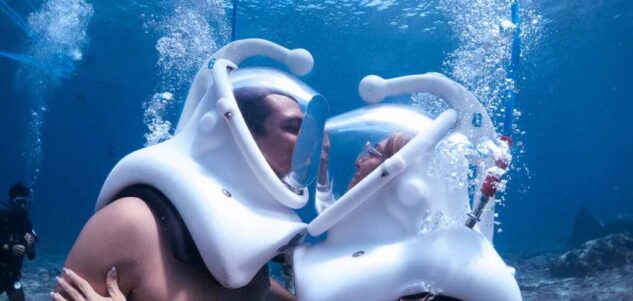
Last Updated: October 26, 2026
Quick Summary
The best underwater activities in Cozumel in 2026 are reef snorkeling at Palancar and Columbia Reefs, helmet diving for non-swimmers, scuba diving the Mesoamerican Barrier Reef, and glass-bottom boat tours. Match the activity to your swimming ability, age group, and port time, since each ranges from 20-30 minutes in the water to full two-tank dive days.
- Helmet diving welcomes ages 8 to 80+ and needs no swimming or certification at all.
- A three-reef snorkel tour runs three to four hours with 15 to 30 minute boat rides between sites.
- Palancar Reef depths commonly run from about 30 to 80 feet depending on the section.
- Most operators require a certification card at check-in and enforce a minimum age of 10 for junior divers.
- Plan backward from all-aboard time and leave at least 60 to 90 minutes of cushion on port days.
Table of Contents
- Why Cozumel’s Reefs Belong on Your 2026 Itinerary
- Quick Comparison: Best Underwater Activities in Cozumel for 2026
- 1. Reef Snorkeling at Palancar and Columbia Reefs
- 2. Cozumel Helmet Diving: Walk the Ocean Floor Without Swimming
- 3. Scuba Diving the Mesoamerican Barrier Reef
- Cozumel Activities for Non-Swimmers: What Actually Works
- Cozumel Shore Excursions: Fitting Underwater Time Into Your Port Hours
- Conditions, Seasonality, and Reef Conservation
- Frequently Asked Questions
Why Cozumel’s Reefs Belong on Your 2026 Itinerary
Cozumel sits on the Mesoamerican Barrier Reef, the second-largest reef system in the world, and that single fact explains why the island’s underwater activities draw divers and snorkelers from across the Caribbean Sea. At SEA TREK Cozumel, we see the same thing every week: travelers arrive expecting a beach day and leave stunned by how much marine life lives just offshore. The island’s coral reefs, clear water, and steady currents create conditions that suit everyone from certified divers to families who have never put their face in the water.
Quick Comparison: Best Underwater Activities in Cozumel for 2026
Here is the short version. Match your group to the activity, then read the detail below.
| Activity | Swimming Needed | Ages | Best For | Time in Water |
|---|---|---|---|---|
| Helmet diving (SEA TREK) | None | 8 to 80+ | Non-swimmers, families, cruise passengers | 20-30 min |
| Reef snorkeling | Basic comfort | 6+ | Confident swimmers, budget travelers | 45-60 min |
| Scuba diving | Certification for deep dives | 10+ | Certified divers | 40-50 min per tank |
| Glass-bottom boat | None | All ages | Spectators, young kids | 60 min |
1. Reef Snorkeling at Palancar and Columbia Reefs
Reef snorkeling is the most popular entry point to Cozumel’s underwater world, and Palancar and Columbia Reefs show why. Both sit within the Cozumel Reefs National Park, a protected marine area, and both offer coral formations close enough to the surface for snorkelers to see reef fish without descending. Palancar’s famous swim-throughs and towering coral pinnacles favor divers, but its shallow edges work well for snorkelers. Columbia’s shallower sections and calmer water make it the friendlier choice for beginners.
What to Expect on a Three-Reef Boat Tour
A three-reef tour typically runs three to four hours and stops at two or three sites, often including Paradise Reef and Santa Rosa Reef. Boats provide snorkel gear, life vests, and a guide who leads the group along the reef wall. Expect a boat ride of 15 to 30 minutes between sites. If you are still deciding between surface snorkeling and something more immersive, our comparison of helmet diving vs snorkeling for beginners covers breathing, depth, marine life, and cost side by side.
2. Cozumel Helmet Diving: Walk the Ocean Floor Without Swimming
Cozumel helmet diving is the best underwater activity for anyone who cannot swim, fears deep water, or simply wants to stay dry from the neck up.
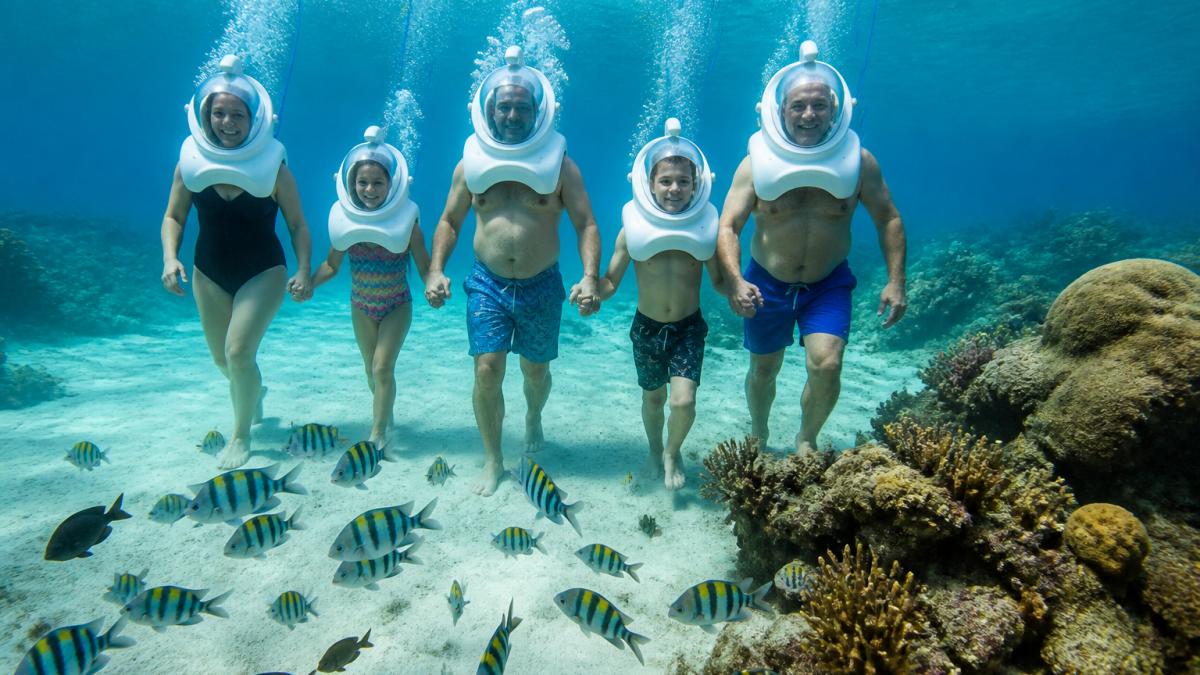
What most guides miss is how much this changes the day for mixed-age groups. If you want the full picture on safety and non-swimmer tips, read our guide on why helmet diving is worth it.
3. Scuba Diving the Mesoamerican Barrier Reef
Scuba diving is the deepest way to experience the Mesoamerican Barrier Reef, and Cozumel’s dive sites rank among the Caribbean’s most respected. The island’s west side is lined with protected reefs inside the Cozumel Reefs National Park, and most dive boats launch from the caleta and marina areas near San Miguel before running 10 to 30 minutes south to the main sites. Certified divers can join two-tank boat tours, while beginners can try a supervised discover-scuba session with a licensed dive operator. Dive shops across the island rent full gear, so you do not need to pack your own.
What Each Major Dive Site Actually Offers
Not every reef suits every diver, and the differences matter when you are choosing a tour:
- Palancar Reef, The signature site, split into shallower and deeper sections. Coral pinnacles, canyons, and swim-throughs reward certified divers, and the shallow edges let snorkelers share the same boat. Depths commonly run from about 30 to 80 feet depending on the section.
- Columbia Reef, Shallower and calmer than Palancar, with coral gardens and sandy channels. A common pick for open-water divers and for the second tank of a two-tank trip.
- Santa Rosa Reef, A wall dive with ledges and overhangs, often paired with Columbia on the same outing. Good for divers comfortable with a drift along a wall.
- Paso del Cedral, A drift dive known for marine life rather than topography. Turtles, moray eels, and schooling fish are common; advanced certification opens the deeper profiles.
- Paradise Reef, Shallow, close to shore, and frequently used for discover-scuba and refresher dives. The most beginner-friendly bottom on the list.
Drift Diving, Certification Levels, and Beginner Options
Cozumel is famous for drift diving. Currents carry divers along the reef wall, which means less swimming and more watching, but it also means you need to be comfortable letting the current do the work and following your divemaster’s plan. Open-water certification covers most recreational sites; advanced certification opens deeper walls and Paso del Cedral. If you are not certified, you have two realistic paths: a discover-scuba session (a supervised shallow dive, usually at Paradise Reef or a comparable site, with no certification required) or a resort course that counts toward later certification.
What a Two-Tank Day Looks Like
A typical two-tank boat trip runs four to five hours door to door: check-in and gear fitting, a 10- to 30-minute ride to the first site, a 40- to 50-minute dive, a surface interval with water and fruit on the boat, a second dive, and the return run. Most operators require a certification card at check-in and enforce a minimum age of 10 for junior open-water divers. Nitrox is widely available for an added fee and is worth asking about if you plan multiple dive days.
Pro Tip
If you are a cruise passenger, book the earliest dive slot your ship’s arrival allows. Afternoon nortes can pick up, and the return-to-ship buffer matters more than squeezing in a third tank.
If you are a cruise passenger, book the earliest dive slot your ship’s arrival allows. Afternoon nortes can pick up, and the return-to-ship buffer matters more than squeezing in a third tank.
If you are still deciding between surface snorkeling and something more immersive, our comparison of helmet diving vs snorkeling for beginners covers breathing, depth, marine life, and cost side by side.
Cozumel Activities for Non-Swimmers: What Actually Works
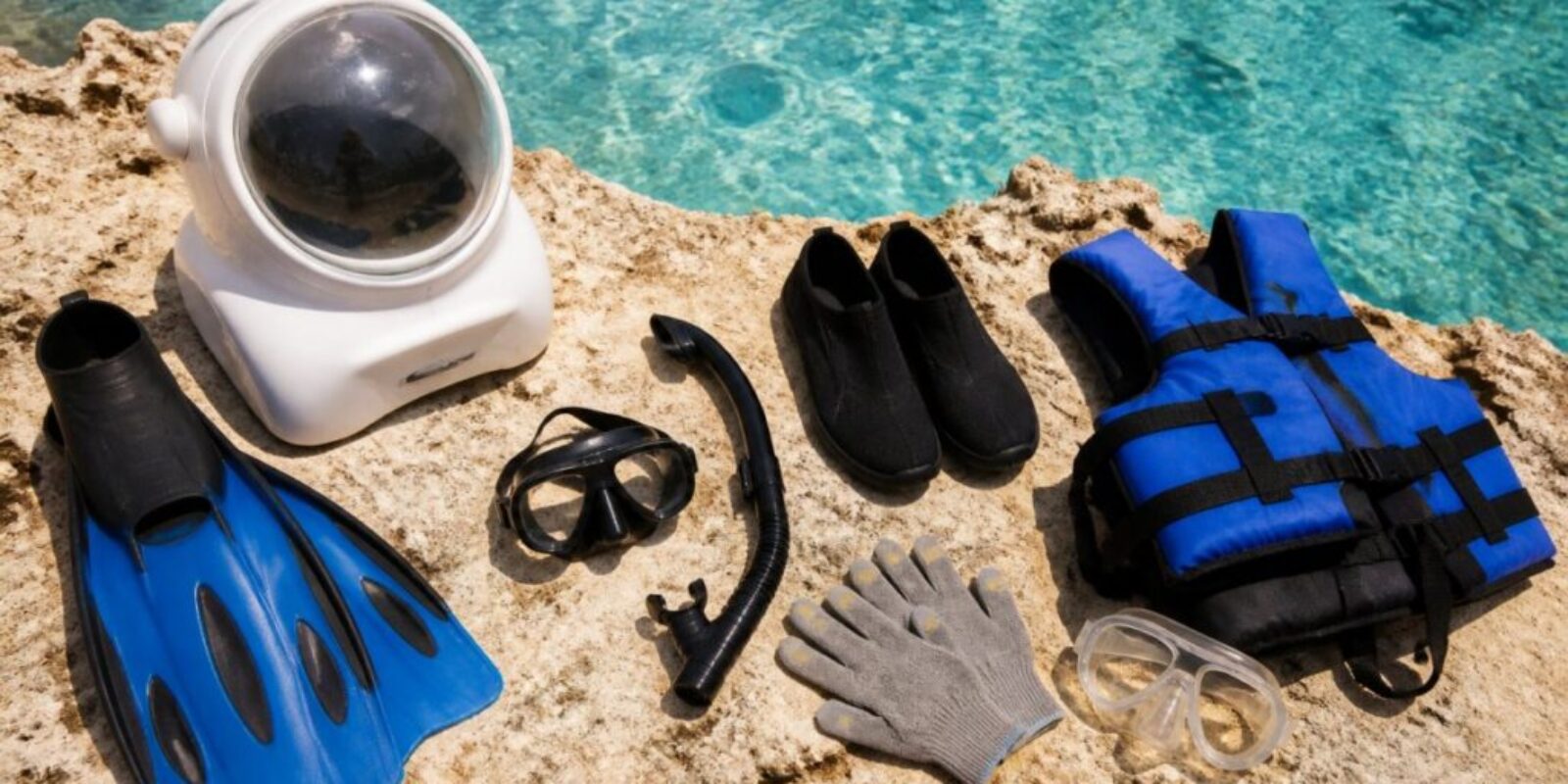
Cozumel activities for non-swimmers are more plentiful than most visitors expect. Helmet diving tops the list because it requires no swimming or floating ability at all. Glass-bottom boats, semi-submersibles, and beach-club snorkel lessons from the sand are other options. Kayaking and canoeing work for confident paddlers but still demand water comfort. Dolphin encounters and eco parks offer structured, shallow-water interaction. The honest ranking: helmet diving gives non-swimmers the closest thing to a real reef visit, while glass-bottom boats give the least effort and the least immersion.
Cozumel Shore Excursions: Fitting Underwater Time Into Your Port Hours
Cruise passengers face one hard constraint: the ship leaves on schedule. Most port calls allow roughly six to eight hours ashore, but the usable window is smaller than the clock suggests. Tender or pier disembarkation, the walk or shuttle to the meeting point, check-in, and the buffer operators build in for the return run all eat into it. The practical rule most operators follow is to plan backward from the all-aboard time and leave at least 60 to 90 minutes of cushion.
Matching Each Underwater Activity to a Port Window
| Activity | Typical Total Time Ashore | Fits a Short Port Call? | Notes |
|---|---|---|---|
| Helmet diving | 2 to 3 hours | Yes | Site near the cruise piers; 20-30 min in water |
| Reef snorkeling (two- or three-reef tour) | 3.5 to 4.5 hours | Usually | Boat ride 15-30 min between sites |
| Two-tank scuba | 4 to 5 hours | Tight | Needs certification check and gear fitting |
| Discover scuba | 3 to 4 hours | Usually | Shallow site, no certification required |
| Glass-bottom boat | 1.5 to 2 hours | Yes | Least immersion, easiest logistics |
The Logistics That Decide Whether You Make It Back
- Pier vs. tender, Ships that dock at the main piers put you minutes from most meeting points. Tender ports add 20 to 40 minutes each way and should push you toward shorter activities.
- Transfer time, Reef boat tours launch from marinas south of San Miguel; budget 10 to 20 minutes each way by van.
- Operator return policy, Ask directly whether the operator guarantees return to the ship and what happens if seas delay the boat. Reputable operators track ship schedules and build the buffer in.
- Afternoon weather, Nortes and afternoon wind can shorten or cancel boat tours. Morning slots are the safer bet for anyone on a fixed departure.
Watch Out
Do not book a two-tank dive on a port call shorter than about six hours unless the operator explicitly confirms a return-to-ship guarantee. A delayed second tank is the most common way cruise divers miss all-aboard.
Do not book a two-tank dive on a port call shorter than about six hours unless the operator explicitly confirms a return-to-ship guarantee. A delayed second tank is the most common way cruise divers miss all-aboard.
Compare total excursion durations before booking, and confirm the operator’s return-to-ship policy in writing. For a wider menu of port-day options, see our list of the best shore excursions for cruise passengers, and when you are ready to lock in a date, follow our step-by-step guide on how to book Cozumel port excursions.
Conditions, Seasonality, and Reef Conservation
Underwater visibility in Cozumel typically runs best from late spring through summer, when calmer seas and clearer water make reef snorkeling and diving more comfortable. Winter brings occasional nortes, cold fronts that stir up the water and shorten some boat tours. Water temperatures stay warm year-round, so a rash guard or thin wetsuit covers most needs. Coral reefs here are protected, which means no touching, no standing on coral, and reef-safe sunscreen only. Responsible operators brief guests on marine life etiquette before every tour. Following those rules keeps the reef healthy for the divers and snorkelers who come after you.
Frequently Asked Questions
Can you explore Cozumel’s reefs without scuba certification?
Yes. Snorkeling and helmet diving both let you see Cozumel’s coral reefs without any certification. Snorkeling keeps you at the surface on a guided boat tour, while helmet diving lets you walk on the ocean floor using a supplied-air helmet. Neither requires prior training or a dive card, which makes both good choices for first-timers and families.
Is helmet diving in Cozumel suitable for non-swimmers?
Helmet diving is designed for people who cannot swim. You breathe naturally inside the helmet, keep your feet on the seafloor, and follow a guide the whole time. No floating or treading water is involved. It suits ages 8 and up, so grandparents and kids can join the same session.
How long do underwater activities in Cozumel usually take?
Snorkel boat tours typically run two to three hours including travel to the reef and gear fitting. Helmet diving sessions last about an hour in the water plus check-in time. Scuba trips run longer, often half a day. Cruise passengers should confirm total door-to-door time against their port schedule before booking.
Which underwater activity in Cozumel is best for families?
Helmet diving works well for mixed-age groups because everyone from age 8 to 80+ can participate together with no swimming skills needed. Families with strong swimmers may also enjoy a guided snorkeling tour. Compare the physical effort each option requires, especially if anyone in your group has back or mobility concerns.
Can cruise passengers book underwater activities in Cozumel?
Yes, and most operators are set up for it. Book a tour that starts close to the cruise terminal and confirms a return time with a buffer before all-aboard. Helmet diving and short snorkel tours fit comfortably into a four-hour port window, while scuba trips need more time.
The difference between a good Cozumel day and a great one comes down to matching the activity to your group, not chasing the most adventurous option. If your party includes non-swimmers, older adults, or young kids, SEA TREK Cozumel removes the barriers: no swimming skills, no certification, equipment provided on site, and a guided walk on the ocean floor for ages 8 to 80+. Get started with SEA TREK Cozumel and give every member of your group a real underwater experience.